
Travel planning
Planning Care in Cuba: Documents, Entry and Travel
A practical checklist for your medical records, entry documents, insurance, payments and the trip itself, in the order that makes everything smooth.
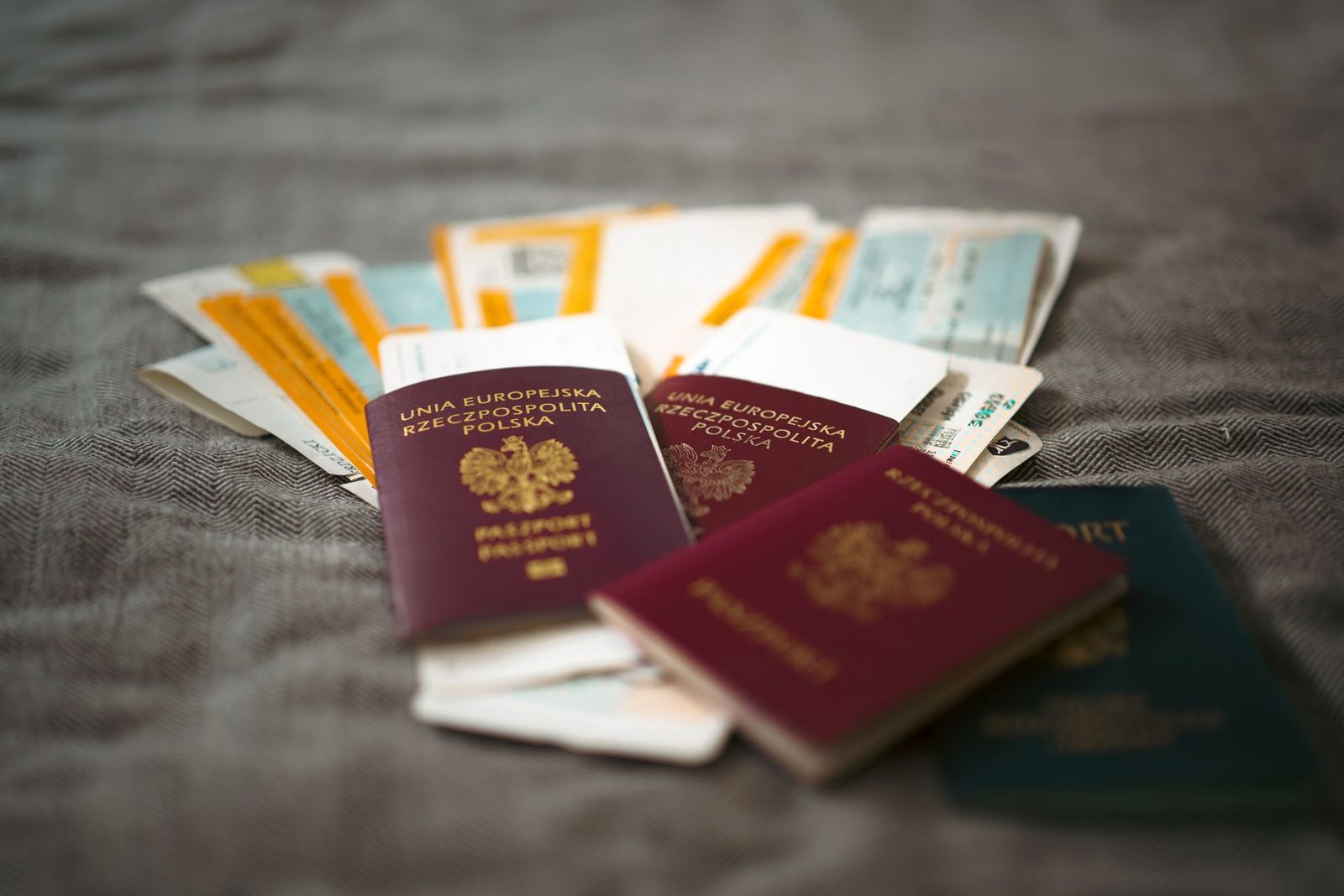
The order is simple and it works: your medical file first, travel documents second. Once the specialist assessment is complete, the treatment program and the likely length of stay are clear, and your travel plan is built around them. A short assessment visit may take a few days, a longer program can last weeks, and you receive the exact length with your written program. A companion is welcome and advised for most treatments, with their own passport, entry documents and insurance, and accommodation planned for two from the start. Prescription medicines travel in your hand luggage, in their original packaging, with a doctor's report, and we help you arrange a way to carry any that must stay cold. Travel health insurance is part of the usual entry checklist, and we guide you through it.
Stage one
Before you travel
Before you travel, the order is clear: medical acceptance first, travel documents second. Most of the preparation happens by email and secure document upload, so you can do it from home. The steps below usually follow this order, and your coordinator adapts the timing to your situation. By the time you board your flight, your treatment plan, visa and accommodation are settled, so the journey itself is the easy part.
- 01
Sending your medical file
You send your existing medical records, scans, lab results and a short summary of your history through a secure form. This file becomes the one reference that the reviewing doctor, your coordinator and the visa checklist all work from. Digital copies are enough at this stage, and you bring the originals when you travel.
- 02
The doctor's review of your file
A specialist in Cuba reviews your file and assesses suitability and the benefit you may expect. If a more recent scan, a lab value or a specialist's note would help, your coordinator asks for it right away, so your file is complete before it moves on. The review usually takes a few working days.
- 03
Treatment plan and cost breakdown
Once your file is reviewed, you receive a written treatment plan that explains what is proposed and why. With it comes an itemized cost breakdown, so each fee is linked to a specific service. You can ask about any line before you decide to go ahead.
- 04
Visa document checklist
Your coordinator gives you a checklist based on your nationality and the reason for your trip, and explains where each document is obtained, translated or certified. You ask your questions directly to your coordinator, who knows your file. We send the checklist early so you can collect everything at a relaxed pace.
- 05
Flight and arrival planning
Travel dates are set around your treatment schedule, so your appointments come first. We plan your arrival so you have at least a day of rest before the first consultation, and your coordinator helps with timing if a companion is traveling with you.
- 06
What to pack
A short packing note lists what to bring, including your original medical records, recent scans and a full list of your medicines with doses. Keep comfortable travel clothes, a copy of your treatment plan and your coordinator's contact details in your hand luggage. If you take regular medicines, packing a few extra days' supply is a thoughtful touch.

Stage two
What we look after
We look after the documents, the appointments and the practical arrangements around the medical review. Once travel is confirmed, your coordinator manages these arrangements, so you can focus on your appointments. The six areas below are part of the service for every patient, and each one links back to the same file and the same contact person. When one area affects another, your coordinator adjusts the rest for you.
- 01
Visa support
Your coordinator explains the visa rules for your nationality and situation, and keeps helping while you collect the documents and apply. If a document needs a touch-up, your coordinator helps you sort it out quickly.
- 02
Interpretation during appointments
An interpreter is with you for consultations, procedures and follow-up talks, so questions and instructions are clearly understood on both sides. This covers everyday conversations with staff as well as medical discussions. Where possible, the same interpreter stays with you from visit to visit.
- 03
Accommodation that fits your schedule
We help coordinate accommodation near the hospital that fits your appointments, including recovery time before the trip home. Easy access and comfort go together, and if the treatment schedule changes, we adjust the booking with it.
- 04
Local transport
We help coordinate transport between your accommodation and the hospital on appointment days, so you can move around comfortably. The same goes for airport transfers when you arrive and leave. Our drivers know the route between the hospital and the partner accommodation.
- 05
One coordinator for you
One coordinator stays with you from the first document until you are home again, so your questions go to someone you know. That means a quick answer when a schedule changes, and you never have to explain everything again. If your coordinator is away, a colleague who knows your file takes over.
- 06
Clear, itemized pricing
Costs are broken down by service (medical treatment, visa help, accommodation, transport and interpretation), so you can see what each part of the trip covers. You receive the full breakdown before you decide to travel, and if your treatment plan is updated, we send it to you again.
Stage three
After treatment
After treatment, we take care of the handover: the discharge summary, the plan for your medicines and who continues your follow-up. A short follow-up period, usually agreed before you leave the hospital, helps your recovery stay on track and gives you a clear way to reach the treating team once you are home.
- 01
A follow-up plan
Before you leave, you receive a written plan for follow-up with the treating doctor, including how and when to get in touch. We agree this while you are still at the hospital, so everyone knows what to expect.
- 02
Recovery guidance before you leave
You leave with written guidance on activity, medicines and what to expect on the journey and in the weeks after. It is written in plain language, so it is easy to share with your own doctor at home. It also explains who to contact if you have a question.
- 03
Staying in touch
Your coordinator stays reachable after you return home, to help explain follow-up instructions or to arrange further contact with the treating doctor. This contact stays part of the same file, not a new request. Many patients keep in touch now and then, well beyond the first follow-up period.
Why the order helps
The travel plan follows the medical review
The travel plan follows the medical review, and that order keeps everything smooth. Once the specialist review is complete, you know which tests are included and how long treatment will take, so flights and accommodation are booked once, with confidence. The path is: prepare the file, receive the specialist assessment, receive a written plan, then travel.
Entry rules for Cuba are updated from time to time. The tourist card, the required travel health insurance and any online forms to complete before arrival are best checked close to your trip. As a last step before you leave, confirm the rules with the Cuban embassy or consulate and your airline, alongside the list our team gives you.
The items most often required are a valid passport, a return ticket, details of where you are staying and travel health insurance. For a medical visit you may also be asked for an acceptance letter, the treatment program and proof of the payment arrangement. A companion travels with the same set of documents.
Traveling with medicines and medical devices is simple with a little planning. Prescription medicines go in your hand luggage, in their original packaging, with a doctor's report. For medicines that must stay cold, such as insulin, we help you plan how to carry them. An English or Spanish translation of your reports makes arrival easy.
Smart habits
Four habits that make travel planning easy
Four simple habits keep every trip organized, and each one is easy to follow with your coordinator.
- 01
Book after your program arrives
Once your written treatment program has arrived, your dates are confirmed and you can buy tickets with confidence.
- 02
Read your insurance cover
Check line by line that your policy covers planned care, existing conditions and, if you like, medical evacuation. We are happy to look at it with you.
- 03
Allow time for the full stay
Add follow-up appointments, additional tests and recovery days to the treatment time. A relaxed schedule makes the return journey easy.
- 04
Bring translated documents
With English or Spanish translations of discharge summaries, pathology and scan reports, consultations run smoothly and every detail is understood.
Frequently asked questions
Common questions about documents and travel
Should I send my file first or arrange entry documents first?
Send your file first. Once the specialist assessment is complete, the treatment program and the likely length of stay are clear, and the travel documents are prepared to match.
Can I bring a companion?
Yes, and for most treatments we advise it. Your companion needs their own passport, entry documents and insurance, and we plan the accommodation for both of you from the start.
How long will I need to stay?
It depends on the treatment, from a few days to several weeks. A short assessment visit may take a few days and a longer program can last weeks. You receive the exact length with your written program after the specialist review.
Can I take my own medicines?
In general, yes. Carry prescription medicines in your hand luggage in their original boxes, together with a doctor's report. If a medicine has to stay cold, we help you plan how to carry it.
Do I need travel health insurance?
Travel health insurance is part of the usual entry checklist for Cuba, and the rules are updated over time. Check your policy before you leave, and we will guide you on what to look for. It also gives you peace of mind during your trip.
Sources and medical context
The sources behind this article
Prepared by the Cuba Health Assist medical content team · Last updated: · Editorial and medical content policy
Diagnosis and treatment decisions are made by the specialist who reviews your file.
 Patient decisionsWhy International Patients Choose Healthcare in CubaExperienced doctors, Cuban biotechnology, clear coordination and care that continues at home: what draws international patients to Cuba.Read the article
 Costs & planningTreatment Costs in Cuba: A Clear, Itemized EstimateSee each part of your treatment cost on its own line, from the specialist review to travel, written down before you decide on anything.Read the article
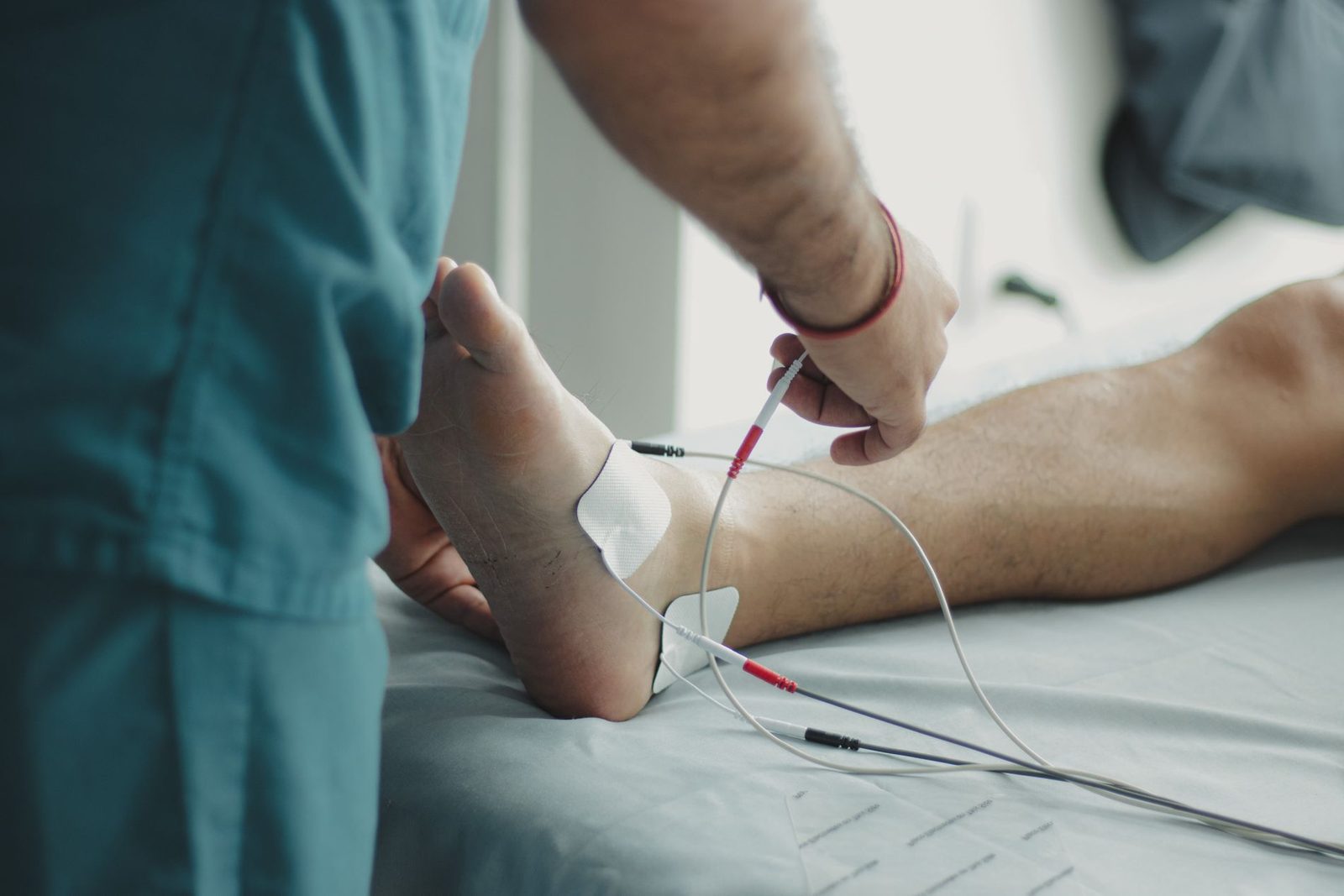 Wound careHeberprot-P for Diabetic Foot Ulcers: Advanced Wound CareA growth factor injected into the wound to support healing alongside standard wound care. We prepare your file for the Cuban specialist.Read the article
Start with the file
Start the review with your medical file
Send your documents through the secure application area. We help you put the file in order and explain the next steps.
These articles give general information. They do not diagnose or prescribe. For questions about your own health, please send your file for a review. Please do not stop your current treatment without consulting your doctor. Medical disclaimer