
Oncology
Cuban Cancer Vaccine Treatment Process, Step by Step
The Cuban cancer vaccine treatment process is more than a single trip. From collecting documents to maintenance doses, we explain what happens at each step, what is asked of you and what the family should prepare.

The journey
Step by step: from application to maintenance doses
- 01
Collect your documents
The pathology report, staging imaging, a list of previous treatments with dates, molecular and PD-L1 results if available, recent blood tests and the latest oncology note. Putting them in date order speeds things up.
- 02
Apply
You fill in the application form and upload your documents to the secure area. The person who applies becomes the contact person; the patient does not need to give their own phone number or e-mail.
- 03
Translation and file preparation
We review your documents, tell you if something is missing, translate them into Spanish and put the file in order.
- 04
Oncologist review in Cuba
Your file goes to a licensed oncologist in Cuba, who decides whether the patient is suitable. We coordinate the communication.
- 05
Written opinion and plan
The oncologist’s assessment and, if you are suitable, the treatment plan with its costs reach you in writing. For the cost items, see our article on the Cuba lung cancer vaccine cost.
- 06
Your decision
You read the plan, ask your questions and talk to your family. The decision is yours; you move on to travel only when you understand the plan.
- 07
Travel and first doses
The journey, accommodation and interpreter support are planned through coordination. The first doses are given in Cuba under a doctor’s supervision.
- 08
Maintenance and follow-up
A few induction doses are followed by monthly maintenance doses, which can continue for months while the benefit lasts and the patient tolerates them. The doctor decides how continuation and follow-up are organised; this can be in your own country too.
Who does what?
Who is responsible at each step?
There are three parties in the process, and each has a different role.
- 01
You and your family
You collect the documents, apply, read the written plan and make the decision. You may ask questions at every stage.
- 02
Us: Cuba Health Assist
We prepare your file, translate it, send it to the oncologist and coordinate communication. We also plan travel, accommodation and interpreter support through coordination. We are not a hospital or a doctor.
- 03
The oncologist in Cuba
Reviews your file, decides whether you are suitable and sets the treatment plan. Diagnosis and treatment decisions belong only to licensed doctors.
- 04
Your own oncologist
Continues your current treatment. Sharing the opinion from Cuba with them also makes it easier to organise continued treatment.
After you apply
What happens after you apply?
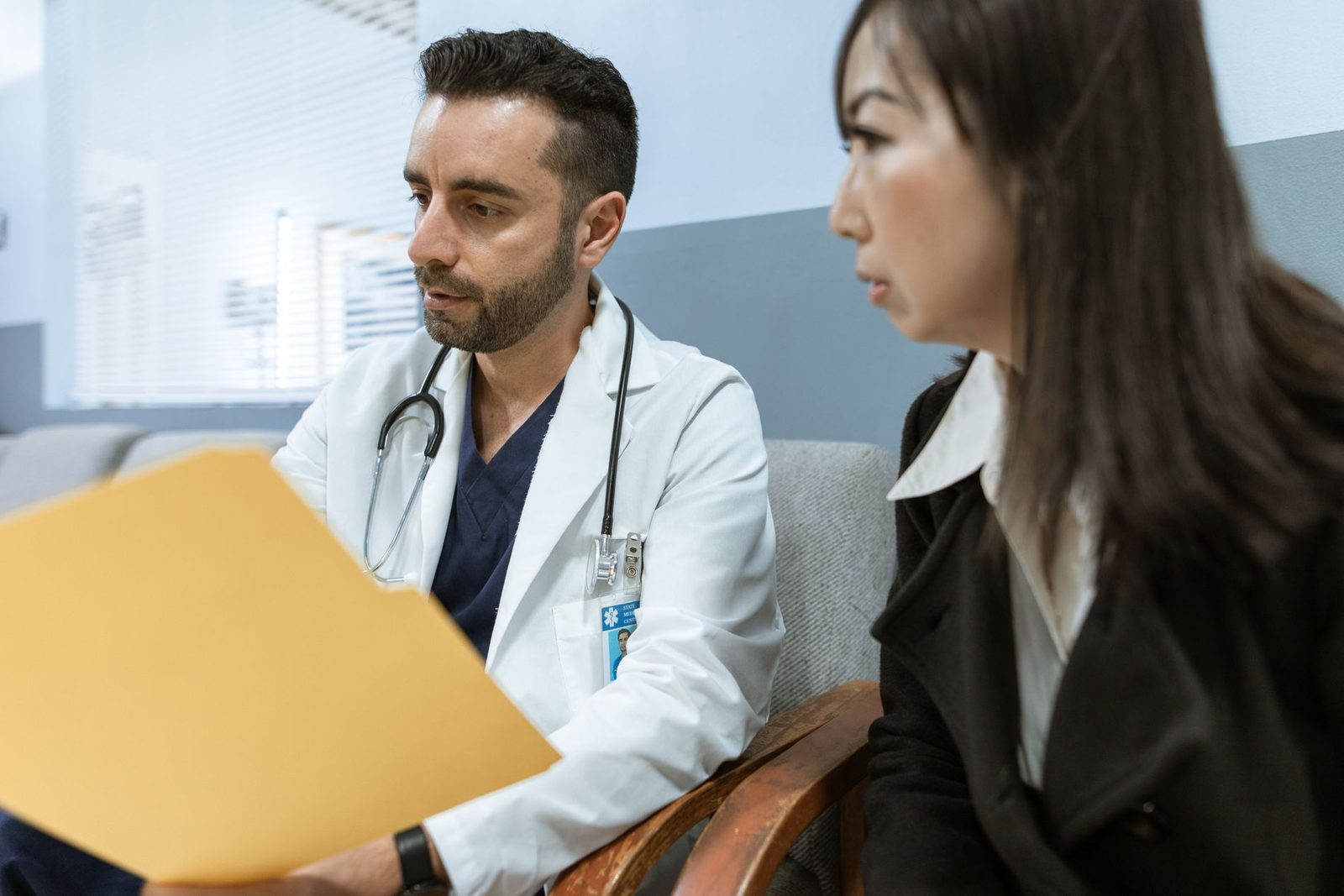
Once your application is received, your file goes into processing. Your documents are checked, and if one is missing or unreadable you are told. When the file is complete it is translated and sent to the oncologist. You can see the status of your file on the tracking page with the file number you are given.
After you apply, the oncologist in Cuba assesses suitability by reviewing your file. Throughout, you receive short, clear updates. For the whole process in detail, see our process page and the article on the patient journey from application to treatment.
The written plan
What do the written opinion and plan contain?
This document is the basis for your decision, so we care that it is plain and complete.
- The oncologist’s assessment of suitability and the reasons for it
- The proposed dose plan and expected duration
- The check-ups and tests that will be needed
- The costs, including travel, accommodation and other services
- How continued treatment and follow-up will be organised
The oncologist writes the opinion and recommendation plainly; if another route is suggested, you can weigh it up together with your own oncologist.
The family’s preparation
What should the family prepare?
- Collect the documents in one folder, in date order; add the images if you can.
- Prepare a list of the medicines you take and your doctor’s latest notes.
- Tell your own oncologist that you are asking for an opinion from Cuba, and share the written opinion with them.
- Decide in advance who will travel with the patient.
- Keep in mind that treatment is a programme lasting months, and ask where follow-up will take place before you travel.
- Write down your questions, and ask them all when the written plan is in your hands.
This preparation lets you decide more calmly and with better information. For applicants from abroad there is also CIMAvax-EGF from the USA, Canada and abroad.
During the process
How are you kept informed along the way?
We keep you informed at every stage: if something is missing from your documents, when the file reaches the oncologist and when the written opinion is ready. You can follow your file at any time with its file number, and write to us on WhatsApp with your questions.
Take your time over the decision. Read the written plan calmly, talk to your own oncologist and move on to the travel step only when you are ready. There is no need to hurry, and we do not hurry you.
Expectations
What can you expect from treatment?
These vaccines aim to keep the disease under control for longer after first-line treatment and to extend survival; side effects are mostly mild. The oncologist who reviews your file assesses how much benefit you may expect. You can read the details in CIMAvax success rate: what the studies say
We prepare your file, the oncologist assesses suitability, and you make the decision. We are with you at every step.
Frequently asked questions
Most asked questions about the treatment journey
What happens after I apply for cancer treatment in Cuba?
Applying is the first step towards having your file reviewed. The oncologist in Cuba assesses suitability by looking at your whole file.
Do you need my own phone number or e-mail as the patient?
The person who applies is the contact person, and updates go to them. The patient does not need to give their own phone number or e-mail.
Do I have to have my documents translated?
We do the translation. It is enough to upload your documents legibly and in date order.
How is the Cuban cancer vaccine given, and for how long?
The vaccine is given by injection: CIMAvax-EGF into the muscle and Vaxira into the skin, according to CIM. The vaccine programme is not a one-off procedure. A few induction doses are followed by monthly maintenance doses, which can continue for months while the benefit lasts and the patient tolerates them.
How do I get to Cuba, and how long do I stay?
That depends on the oncologist’s plan. You see the length of stay and how continued treatment is organised in the written plan. We plan travel and accommodation through coordination.
How do I find out the status of my file?
After you apply, you can follow the status on our tracking page with the file number you are given. You can also write to us on WhatsApp with questions.
Sources
What this article is based on
Prepared by the Cuba Health Assist medical content team · Last updated: · Editorial and medical content policy
Diagnosis and treatment decisions are made by the specialist who reviews your file.
 OncologyCIMAvax Success Rate: What Studies SayWe answer “does the Cuban cancer vaccine work?” with published studies: survival, the time the disease stays under control, and side effects.Read the article
 OncologyCuba Lung Cancer Vaccine Cost: What Determines It?Product, dose plan, duration, check-ups, travel and follow-up at home: the factors behind the cost, and why a price only becomes clear after the oncologist’s review.Read the article
- Patient journeyFrom Application to Treatment: Your Patient JourneyFrom your first application to follow-up at home: each step explained, with a coordinator beside you and every answer in writing.Read the article
Start with your file
The first step is collecting your documents
Send your documents through the secure application area. We prepare your file and take the next steps together with you. For general information, see our page on the Cuban cancer vaccine.
This article is general information. It is not a diagnosis, personal treatment advice or a decision on suitability. If you have an urgent symptom, contact local emergency care right away. Medical disclaimer