
Oncology
Cancer Treatment in Cuba: Hospitals and Centers
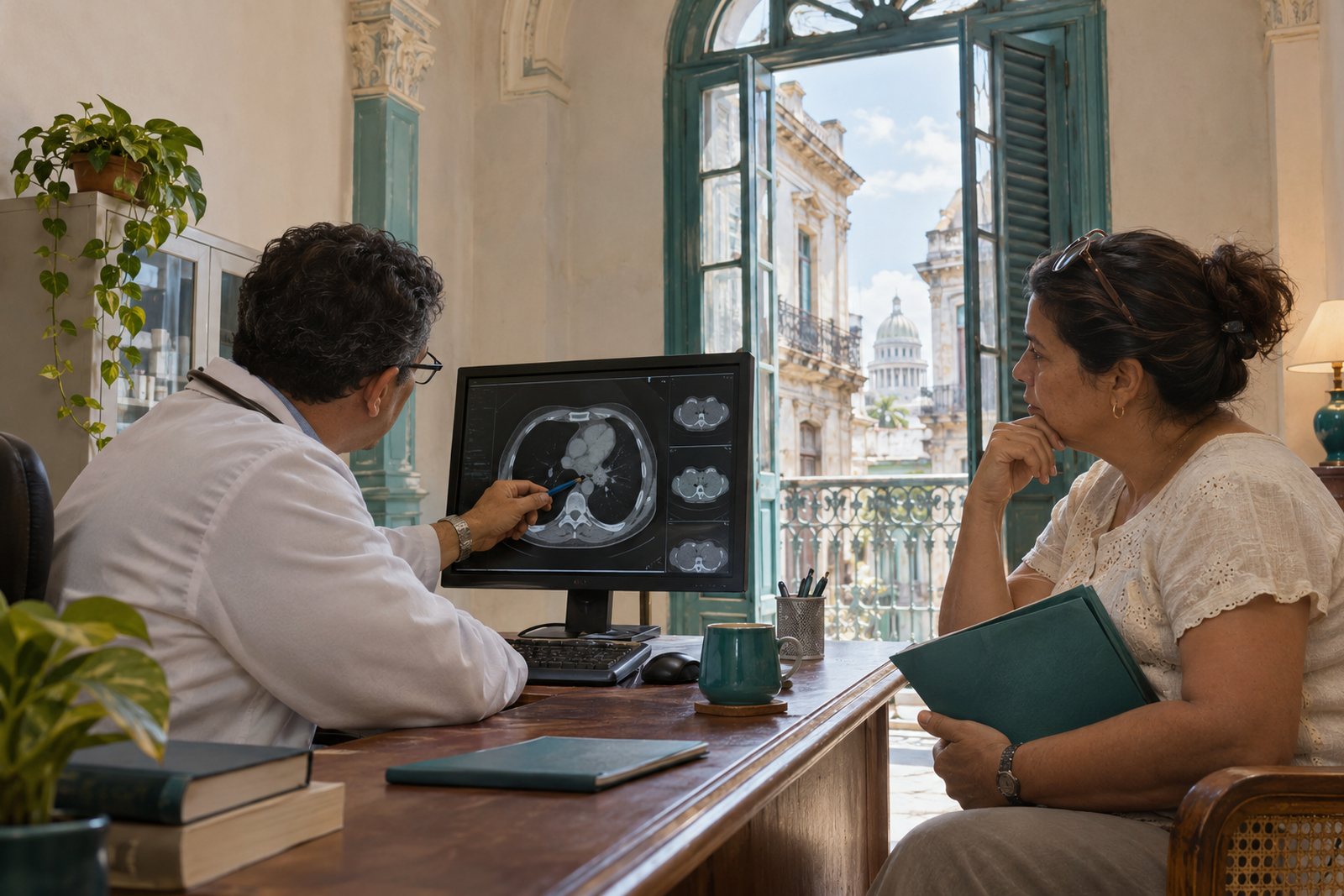
Families researching cancer hospitals in Cuba often confuse hospitals where patients are examined with research centers that develop medicines and vaccines. In this article, we clearly explain what each institution does and how their roles differ.
Overview
Which hospitals provide cancer treatment in Cuba?
Rather than thinking of a single hospital, it is more helpful to think of a network of institutions that complement one another.
Cancer care in Cuba is provided through the public healthcare system. Patients are initially referred to healthcare facilities in their local area and, when necessary, to national centers. In Havana, large university hospitals covering various medical specialties also care for cancer patients alongside specialized oncology centers.
The right institution for you depends on your type of cancer, the stage of the disease, and any previous treatments. This assessment is made by the specialist who reviews your medical file, rather than being based on a list of institutions on a website.
Key distinction
How do hospitals and research centers differ?
Some institutions described online as "Cuban cancer centers" focus on developing medical products rather than examining patients. Understanding this distinction can help you direct your questions to the right institution.
- 01
Hospital and institute
Examines patients, confirms diagnoses, develops treatment plans and carries them out. INOR is an example of an institution providing these services in Cuba.
- 02
Research and production center
Develops new medicines, vaccines and antibodies, and conducts clinical studies. CIM and CIGB belong to this group. Products developed at these centers reach patients through hospitals.
- 03
Coordination team
Prepares your file, translates your medical records, sends them to the relevant specialist, and explains the doctor's opinion to you in Turkish. Medical decisions are made by the specialist.
CIMAvax-EGF, Vaxira and CIMAher are medical products, not institutions. Research centers that develop these products and hospitals that examine patients have different roles. The fact that a center develops a product does not mean every patient is examined there.
Mentioning an institution in this article does not mean we have a formal agreement with it. We share institution names for informational purposes only. Application information published in news reports from previous years may have changed. We explain the current process as we prepare your file.
National institute
What is INOR, where is it and what does it do?
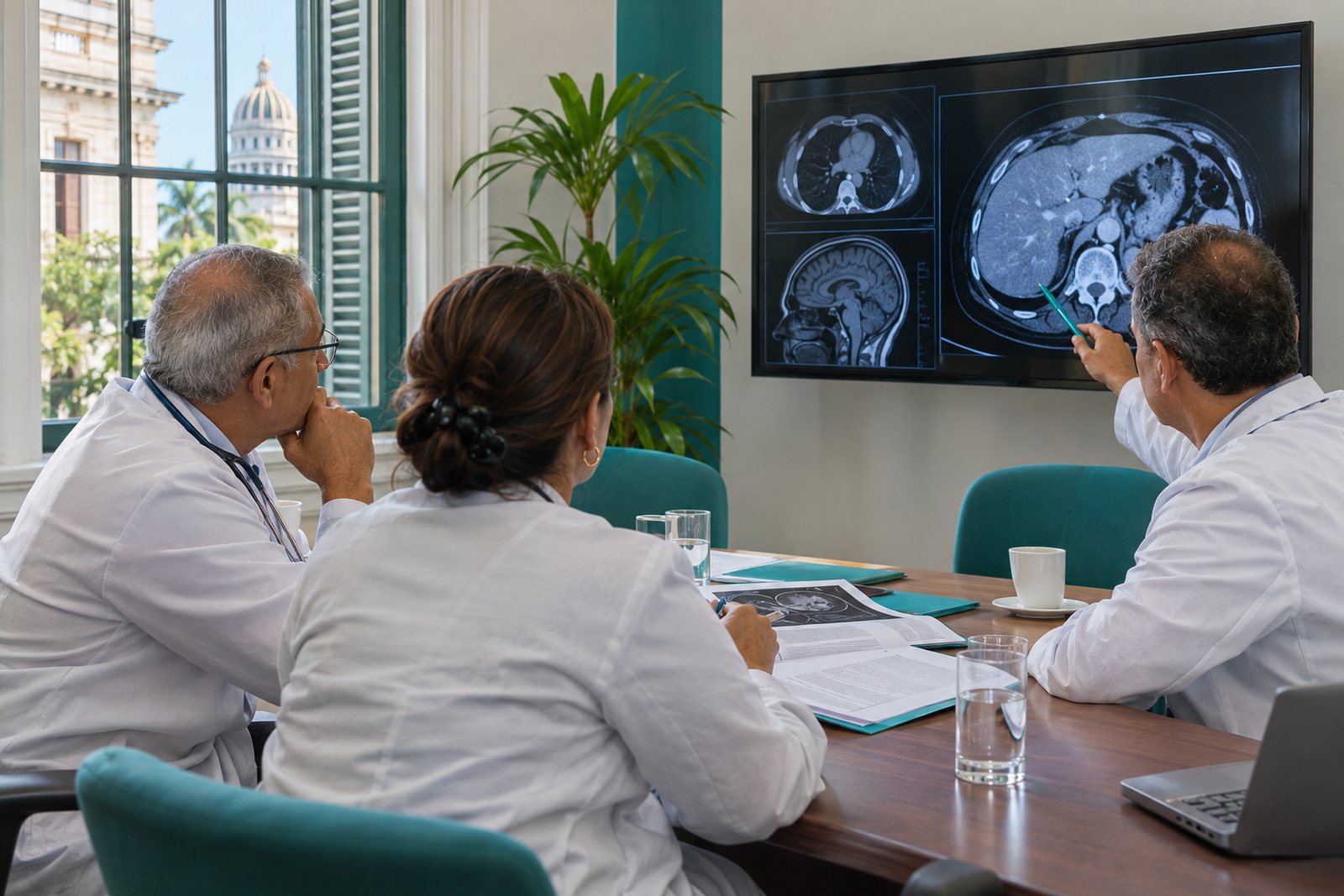
The National Institute of Oncology and Radiobiology is described as Cuba's referral center for cancer care.
INOR is located in the Vedado neighborhood of Havana. Published profiles describe it as a center with more than 50 years of experience in cancer diagnosis, treatment and research.
Its services include surgery, clinical oncology, care for patients with advanced-stage disease, experimental and clinical research, and medical imaging. The institute is also reported to have an international medical services unit for patients from abroad.
This information shows that the institute combines patient care with research. This allows areas such as surgery, drug treatment and medical imaging to be considered within the same institution.
Rather than sharing INOR's contact information directly, we focus on identifying the appropriate application route for your type of cancer and medical file. Once your file has been prepared, doctors decide which center should handle the next steps.
Major hospitals
Do Havana's major hospitals also care for cancer patients?
Hermanos Ameijeiras Hospital, which appears on our website's institution list, is one of Havana's major hospitals. News reports identify it as one of two centers with an immunohistochemistry laboratory used in cancer diagnosis. The other center is INOR.
Our website's list also includes Cira García Central Clinic, Calixto García University Hospital and the National Center for Minimally Invasive Surgery. We list these institutions for informational purposes. Each specializes in different areas. Doctors determine which institution should be considered based on your type of cancer.
Product development center
CIM: Where were CIMAvax-EGF, Vaxira and CIMAher developed?
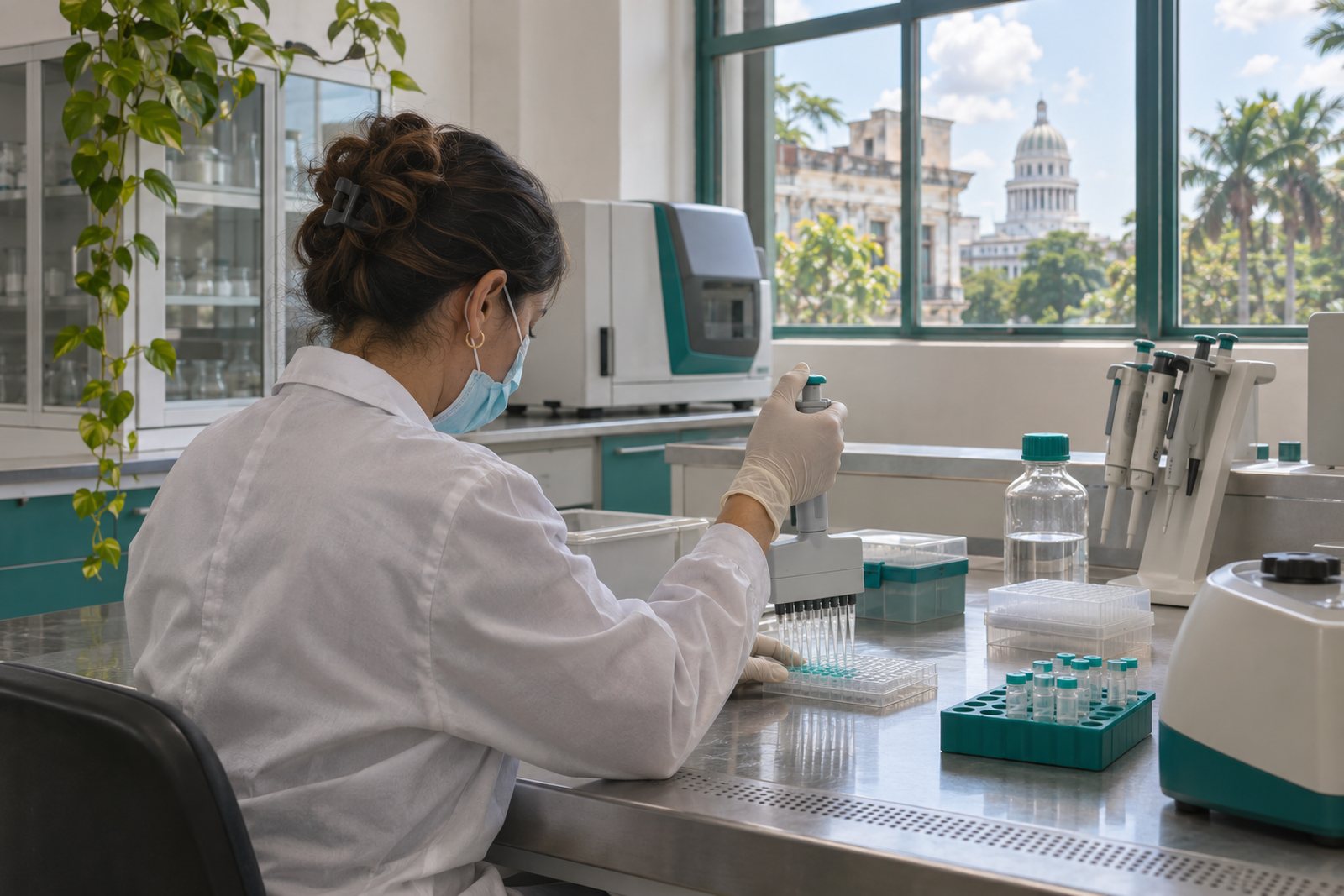
The Center of Molecular Immunology (CIM) is a research center in Havana. The therapeutic lung cancer vaccines CIMAvax-EGF and Vaxira, along with the antibody treatment CIMAher (nimotuzumab), were developed there.
CIMAvax-EGF has also been studied in clinical research conducted at Roswell Park Comprehensive Cancer Center in the United States. Records of these studies are available on ClinicalTrials.gov.
The center's registered clinical trials are publicly accessible through the Cuban Public Registry of Clinical Trials (RPCEC).
Biotechnology network
What do CIGB and BioCubaFarma do?
The Center for Genetic Engineering and Biotechnology (CIGB) is one of Cuba's biotechnology centers established in the 1980s. It is known for Heberprot-P, a product used to treat diabetic foot ulcers.
BioCubaFarma is a business group established in December 2012 that now comprises 32 companies, bringing together the country's biotechnology and pharmaceutical organizations under one umbrella. We explain how these institutions are connected in our article on Cuban biotechnology and cancer research.
Your file's journey
How does your file reach these institutions?
- You complete the application form and upload the medical reports you have.
- Our team reviews your documents and translates them into Spanish.
- Your file is sent to a specialist at the relevant institution in Cuba based on your type of cancer.
- The specialist reviews your file, requests additional documents if necessary, and provides a medical opinion.
- We explain the specialist's opinion to you in Turkish. You make the final decision.
To learn more about the process, read our article on the patient journey from application to treatment.
By cancer type
How does the choice of institution vary by cancer type?
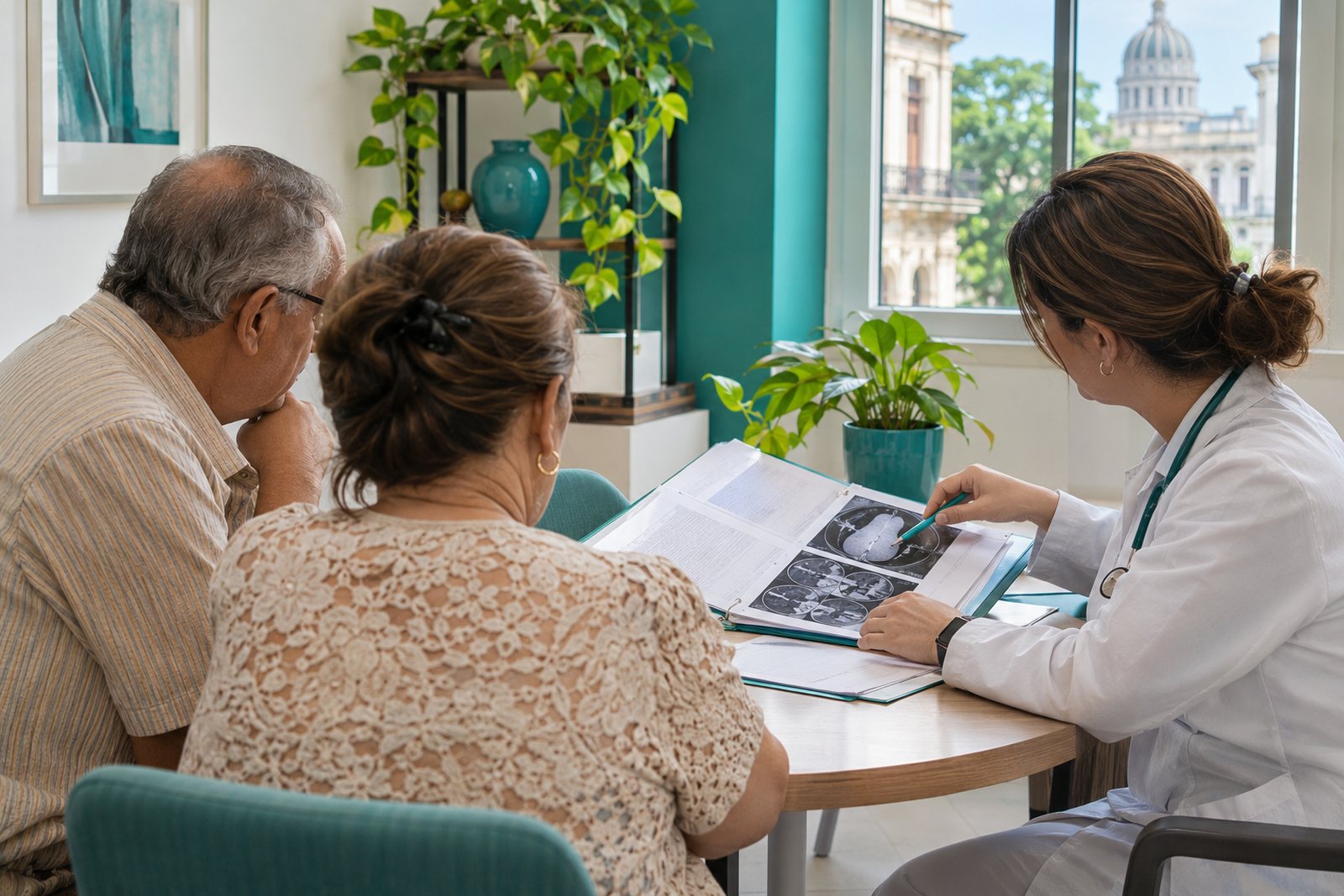
For lung cancer, your file may be sent to an oncologist who evaluates vaccines developed for advanced non-small cell lung cancer (NSCLC). For pancreatic, brain, head and neck, or esophageal cancer, antibody treatment and the radiotherapy plan are evaluated together.
When surgery is required, a center with surgical expertise may be the priority. When detailed imaging is needed, a center with advanced imaging capabilities may be more appropriate. That is why, instead of asking "Which is the best hospital?", it is more helpful to ask "Which specialist team is right for my medical file?"
You can find detailed information on specific cancer types in the relevant sections of our cancer treatment in Cuba page.
The right questions
What should you consider when evaluating an institution?
- Does the institution have an official website and published scientific papers?
- Can you access clinical study records for the products the institution has developed (RPCEC, ClinicalTrials.gov, PubMed)?
- Are the roles of the doctor examining the patient and the research center developing the product clearly distinguished?
- Is the information you receive provided in writing, with its sources clearly identified?
There are a few practical steps you can take to verify this information. Search PubMed for the institution and product names together to find published scientific papers and their authors. Searching for a product on ClinicalTrials.gov and RPCEC allows you to view the study's registration number, phase and status. Sharing these details with your oncologist and reviewing the records together can help you better understand the findings.
These questions are also helpful when evaluating an intermediary organization. For more information, see the checklist in our article why work with a coordination company?.
Your oncologist in Türkiye
How can you work with your oncologist in Türkiye?
A specialist opinion from Cuba provides an additional medical assessment alongside the treatment you are receiving in Türkiye. You can continue your current treatment while sending your file to a specialist in Cuba for an additional medical opinion.
The specialist's report is stored in your patient portal. You can share it with your oncologist in Türkiye whenever you wish. Where appropriate, treatment and follow-up appointments may continue in your own country with your own doctor.
Frequently asked questions
Frequently Asked Questions About Cancer Hospitals in Cuba
Which hospitals provide cancer treatment in Cuba?
The National Institute of Oncology and Radiobiology (INOR) in Havana is described as a center specializing in cancer care. Large university hospitals also care for cancer patients. The specialist who reviews your medical file determines which institution is right for you.
Which hospital in Cuba treats cancer?
Different institutions in Cuba have different roles in cancer care. Hospitals such as INOR examine and treat patients, while research centers such as CIM and CIGB develop medical products. Doctors determine which institution is appropriate for your type of cancer.
Can I apply directly to INOR?
The application process depends on your type of cancer and medical file. Our team prepares and translates your medical reports before sending them to the relevant specialist. This ensures your documents are complete and provided in the correct language.
Is CIM a hospital?
CIM is a research center where products such as CIMAvax-EGF, Vaxira and CIMAher were developed. Hospitals are the institutions responsible for examining patients and managing their treatment.
Are services available to international patients?
Some institutions in Cuba are reported to have international medical services units for patients arriving from abroad. Once your file has been reviewed, we explain the most appropriate application route for you.
Do I have to travel to Cuba for treatment?
Your file is reviewed remotely first. In suitable cases, treatment may be started in your own country under the supervision of your own doctor. Whether this is possible depends on the individual patient and the country. Specialist physicians make that assessment.
How long does the process take?
Once your documents are complete, our target for the initial specialist assessment is approximately 4 working days. If additional documents are requested, this period may be extended.
Sources
What this article is based on
- INOR international medical services, CubaPLUS Magazine
- The development of biotechnology in Cuba and BioCubaFarma, Columbia Law School Horizonte Cubano
- CIM's registered clinical trials, Cuban Public Registry of Clinical Trials (RPCEC)
- U.S. CIMAvax study, ClinicalTrials.gov
- New laboratory for cancer patients, Prensa Latina, 2024
- Heberprot-P: From an idea to a product, Biotecnología Aplicada
Prepared by the Cuba Health Assist medical content team · Last updated: · Editorial and medical content policy
Diagnosis and treatment decisions are made by the specialist who reviews your file.
 OncologyCuban Biotechnology: Who Develops Cancer Products?What do CIM, CIGB and BioCubaFarma do? We explain in simple terms which institutions developed CIMAvax-EGF, Vaxira and CIMAher, and how to evaluate clinical studies.Read the article
 OncologyWhich Cancer Types Do People Seek Treatment for in Cuba?Beyond lung cancer: pancreatic, brain, head and neck, and oesophageal cancers. We explore studies involving CIMAher (nimotuzumab) and explain how patient files are assessed for each cancer type.Read the article
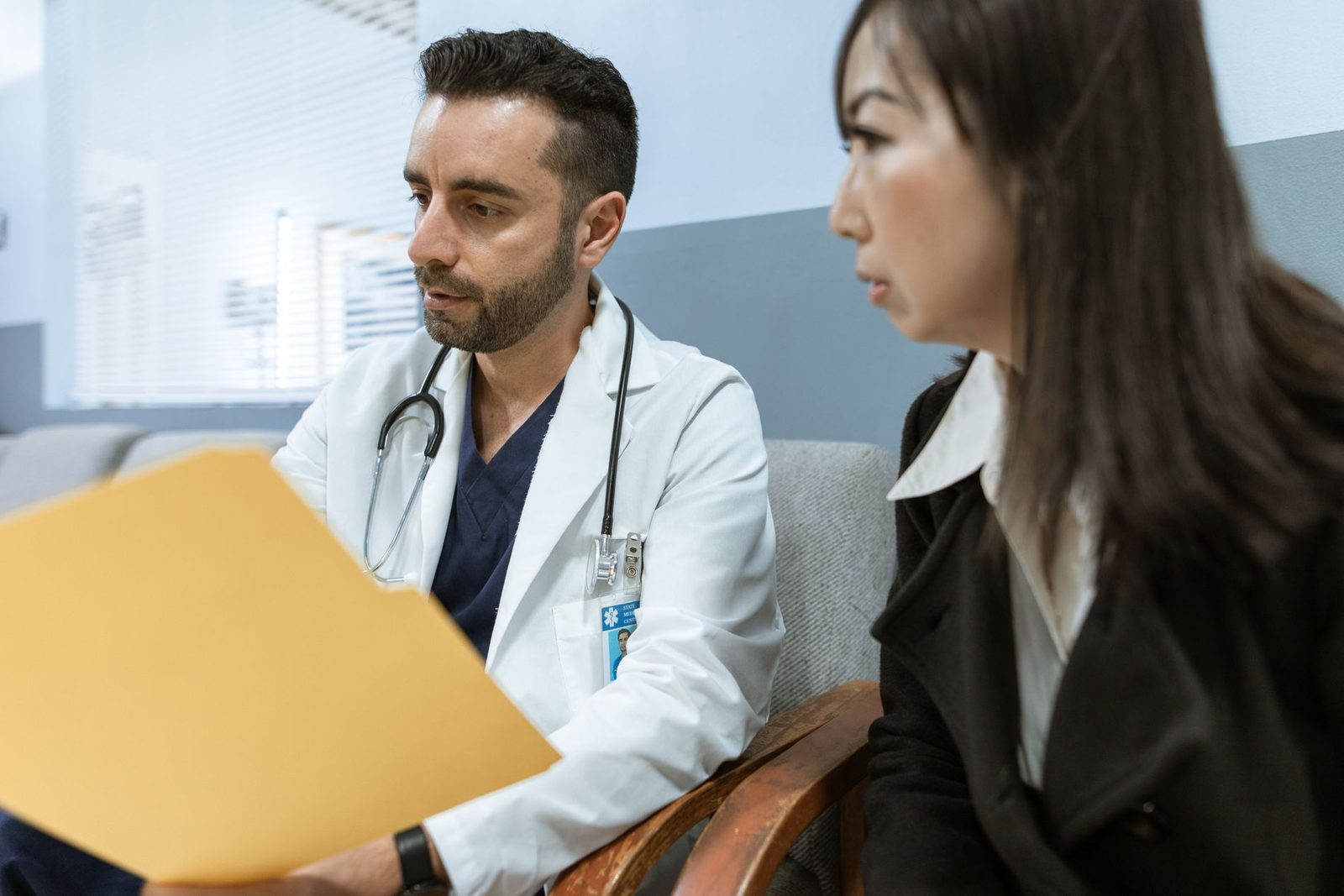 Patient journeyFrom Application to Treatment: Your Patient JourneyFrom your first application to follow-up at home: each step explained, with a coordinator beside you and every answer in writing.Read the article
Start with your file
Let us get your file to the right specialist
Send your documents through our secure application portal. Our team prepares your file, forwards it to a specialist in Cuba based on your type of cancer, and explains the specialist's opinion to you in Turkish. For general information, see our page on the Cuban cancer vaccine.
This article is for general information only. It is not a substitute for a diagnosis, personalized treatment advice, or an assessment of treatment suitability. If you experience urgent symptoms, seek immediate medical attention at a local healthcare facility. Medical disclaimer