
Oncology
Cuban Biotechnology: Who Develops Cancer Products?
To answer questions like “Who makes CIMAvax?” and “Who developed Cuba’s cancer medicines?”, it helps to understand Cuba’s biotechnology institutions. In this article, we explain which institutions developed these products and how you can evaluate their clinical studies.
Background
Why did biotechnology become prominent in Cuba?
Cuba began systematically establishing biotechnology institutions in the 1980s.
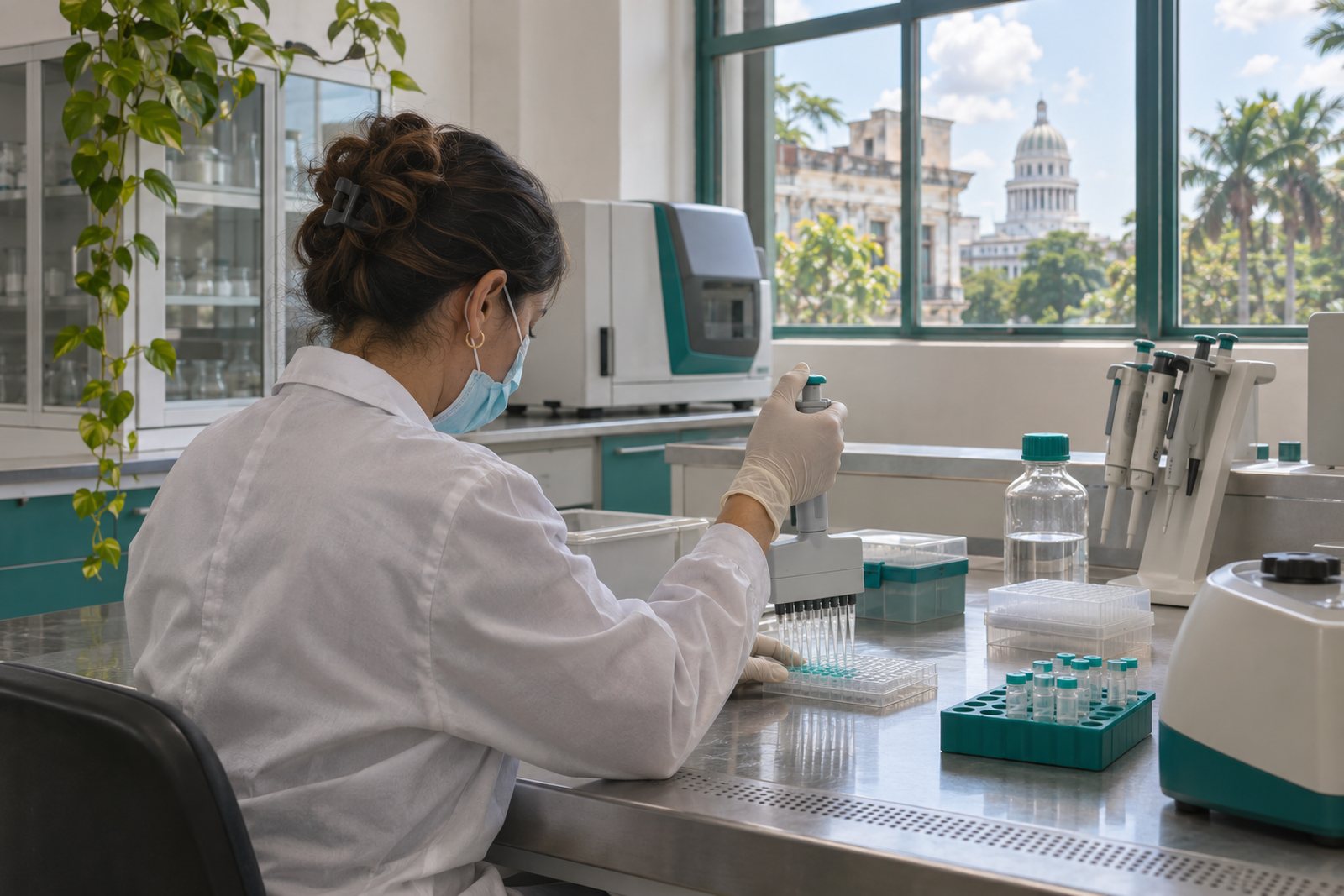
Cuba began investing in biotechnology in the 1980s by establishing research centers. CIM and CIGB are among the best known of these centers.
Today, organizations in this field operate under one umbrella. They develop products in areas such as cancer, diabetes, hepatitis and neurological diseases.
For patients, this structure makes it possible to find out which institution developed a product, which studies examined it, and which registries include it. Below, we explain these details in a clear, easy-to-follow order.
Umbrella organization
What is BioCubaFarma?
BioCubaFarma is a business group that has brought together Cuba’s biotechnology and pharmaceutical organizations since December 2012. According to Columbia Law School’s Horizonte Cubano publication, the group currently comprises 32 companies.
These organizations work in different areas, including research, manufacturing, marketing and services. This structure makes it easier to coordinate a product’s journey from the laboratory to the patient under one umbrella.

Product authorization
How are products authorized for use in Cuba?
In Cuba, the national medicines regulatory authority, CECMED, grants authorization for the use of medicines and vaccines. According to the product pages on our website, CIMAvax-EGF has been licensed for use in Cuba since June 12, 2008, and Vaxira since January 7, 2013. Vaxira has also received authorization in Argentina.
Authorized uses and approval procedures can vary from country to country. The best approach is to discuss which products may be considered for you with the doctor reviewing your medical file.
Key organizations
What do CIM, CIGB and BioCubaFarma stand for?
- 01
CIM
The Center of Molecular Immunology. Based in Havana, this center works on cancer vaccines and antibodies. It developed CIMAvax-EGF, Vaxira and CIMAher.
- 02
CIGB
The Center for Genetic Engineering and Biotechnology. It is known for Heberprot-P, which is applied directly to the wound bed in diabetic foot ulcers. For more information, read our article on Heberprot-P in diabetic foot ulcers.
- 03
BioCubaFarma
A business group established in December 2012 that now comprises 32 companies. It brings together Cuba’s biotechnology and pharmaceutical organizations under one umbrella.
From laboratory to patient
How does a product reach patients from the laboratory?
- First, researchers identify a target in the laboratory, such as a signal that supports the growth of a cancer cell.
- Safety is assessed through animal studies and initial studies in humans.
- Phase 2 studies examine early effects and determine the appropriate dose.
- Phase 3 studies evaluate the product through comparisons involving larger groups of patients.
- National medicines regulators review the study results. Authorized uses and approval status may vary from country to country.
You can find out which stage of this process a product has reached by searching for its name and registration number.
CIMAvax-EGF
What is CIMAvax-EGF?
CIMAvax-EGF is a therapeutic vaccine developed entirely in Cuba. It is based on combining EGF with a carrier protein and is designed to stimulate the body to produce antibodies against EGF. The aim is to reduce the EGF signal that supports tumor growth.
In Cuba, it was licensed for adults with advanced (stage IIIB/IV) non-small cell lung cancer (NSCLC) who have completed first-line treatment. Results from a phase 3 study involving 405 patients were published in 2016. For more details, see our article on the studies.
Cancer products
How do CIMAvax-EGF, Vaxira and CIMAher differ?
CIMAvax-EGF is a therapeutic vaccine designed to stimulate an immune response against a growth signal called EGF. Vaxira (racotumomab) aims to stimulate an immune response against the NeuGcGM3 structure on tumor cells. Both were developed for advanced non-small cell lung cancer (NSCLC), but they are distinct products.
CIMAher (nimotuzumab) is an antibody treatment administered intravenously that targets the EGF receptor. We summarize the types of cancer in which it has been studied in our article Which types of cancer do patients seek treatment for in Cuba?.
International collaboration
Are Cuban products also being studied in other countries?
CIMAvax-EGF has also been evaluated in clinical studies at Roswell Park Comprehensive Cancer Center in the United States. Studies registered on ClinicalTrials.gov include a phase 1/2 study examining lung and head and neck cancers, along with other early-phase studies.
These studies show that the product continues to be researched internationally. Its authorized uses and approval status may vary from country to country.
Understanding clinical studies
How do you read clinical studies?
- Phase 1 studies assess safety, phase 2 studies examine early effects, and phase 3 studies compare results in larger groups of patients.
- Every study has a primary outcome measure. This may be, for example, survival time or the length of time before the disease progresses.
- Study results reflect average findings for groups of patients. Individual outcomes can vary from person to person.
- The easiest way to verify a study is to check its registration number (ClinicalTrials.gov, RPCEC) and its published research paper (PubMed).
Common terms
- Randomized: Patients are assigned to two groups using a process similar to drawing lots.
- Placebo: An intervention containing no active ingredient, used for comparison.
- Median survival: The midpoint of survival times, with half of the patients living longer than this value.
- Progression-free survival: The period during which the disease does not worsen.
If you are interested in a particular product, you can start by reviewing published research papers, then look at its registered clinical studies. These sources are available in English or Spanish. If any section is difficult to understand, you can ask your coordinator for assistance. We can help you review the relevant information together with your doctor.
For you
What does this mean for patients?
Knowing where and by whom a product was developed can help you evaluate the information you receive. Your oncologist is responsible for determining whether these products may be suitable for your case.
We prepare your medical file, translate it into Spanish, and send it to a specialist doctor in Cuba. We then share the doctor’s opinion with you in Turkish, in writing.
Frequently asked questions
Frequently asked questions about Cuban biotechnology
What is Cuban biotechnology?
Cuban biotechnology is a network of research centers and manufacturing organizations that Cuba began establishing in the 1980s. Today, these organizations operate under the BioCubaFarma umbrella.
Who makes CIMAvax?
CIMAvax-EGF was developed by the Center of Molecular Immunology (CIM) in Havana.
Are Vaxira and CIMAvax the same?
CIMAvax-EGF and Vaxira are two distinct lung cancer vaccines developed at CIM. CIMAvax-EGF is designed to stimulate an immune response against the EGF signal, while Vaxira (racotumomab) aims to stimulate an immune response against the NeuGcGM3 structure on tumor cells.
Are Cuban products included in international studies?
CIMAvax-EGF has also been examined in clinical studies conducted at Roswell Park Comprehensive Cancer Center in the United States. You can find the study records on ClinicalTrials.gov.
How can patients apply?
Complete the application form and upload your medical reports. We prepare your file, translate it into Spanish, and send it to a specialist doctor in Cuba.
Are these products suitable for my case?
Only the oncologist reviewing your medical file can determine suitability. Your type of cancer, the stage of your disease, and the treatments you have previously received form the basis of this assessment.
Sources
What this article is based on
- Development of biotechnology in Cuba and BioCubaFarma, Columbia Law School Horizonte Cubano
- Rodríguez PC et al. Clinical development of CIMAvax-EGF, MEDICC Review, 2010 (PubMed 20387330)
- Saavedra D, Crombet T. CIMAvax-EGF, Frontiers in Immunology, 2017 (PubMed 28348561)
- CIM’s registered clinical trials, Cuban Public Registry of Clinical Trials (RPCEC)
- U.S. CIMAvax study, ClinicalTrials.gov
Prepared by the Cuba Health Assist medical content team · Last updated: · Editorial and medical content policy
Diagnosis and treatment decisions are made by the specialist who reviews your file.
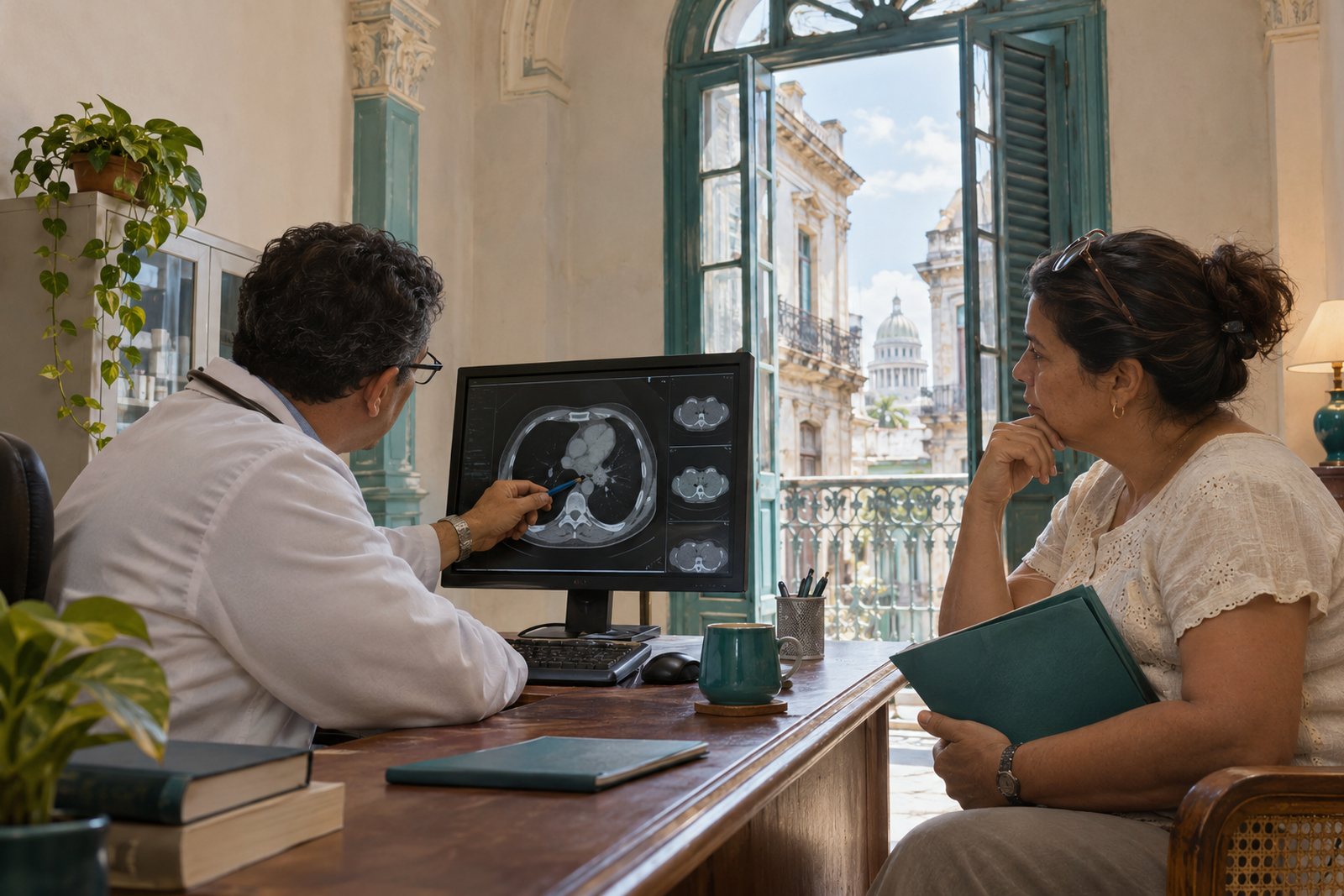 OncologyCancer Treatment in Cuba: Hospitals and CentersIf you are wondering which hospital in Cuba treats cancer, we explain which hospitals examine patients, which research centers develop medical products, and how your file reaches the relevant institutions.Read the article
 OncologyCIMAvax-EGF Vaccine and Vaxira: What to KnowWhat the CIMAvax-EGF vaccine and Vaxira are, how they work, what research shows and how the oncologist assesses suitability.Read the article
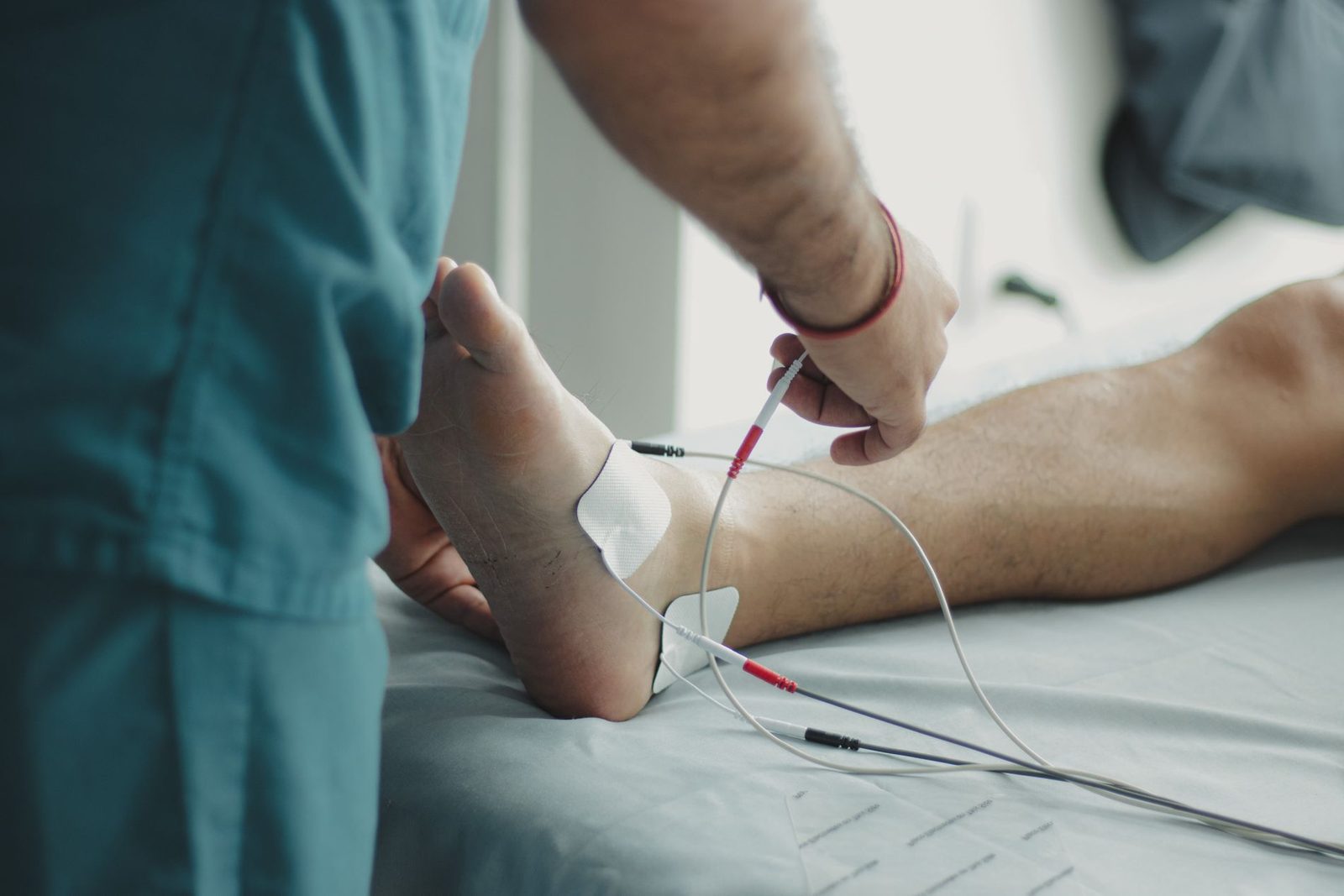 Wound careHeberprot-P for Diabetic Foot Ulcers: Advanced Wound CareA growth factor injected into the wound to support healing alongside standard wound care. We prepare your file for the Cuban specialist.Read the article
Start with your medical file
Have a specialist assess whether these products may be suitable for your case
Submit your documents through our secure application portal. We prepare your medical file, send it to an oncologist in Cuba, and share the specialist’s opinion with you in Turkish. For general information, see our page on the Cuban cancer vaccine.
This article is intended for general information only. It does not replace a medical diagnosis, personalized treatment advice, or a decision about treatment suitability. If you experience urgent symptoms, seek medical care immediately at a local healthcare facility. Medical disclaimer