
Vitiligo type, onset, progression and body areas involved
This point is checked because it can change suitability, timing, safety or the next document request.
Clinical coordination for vitiligo treatment review, using diagnosis details, lesion photos, progression pattern, previous therapies and medical background before dermatology assessment.
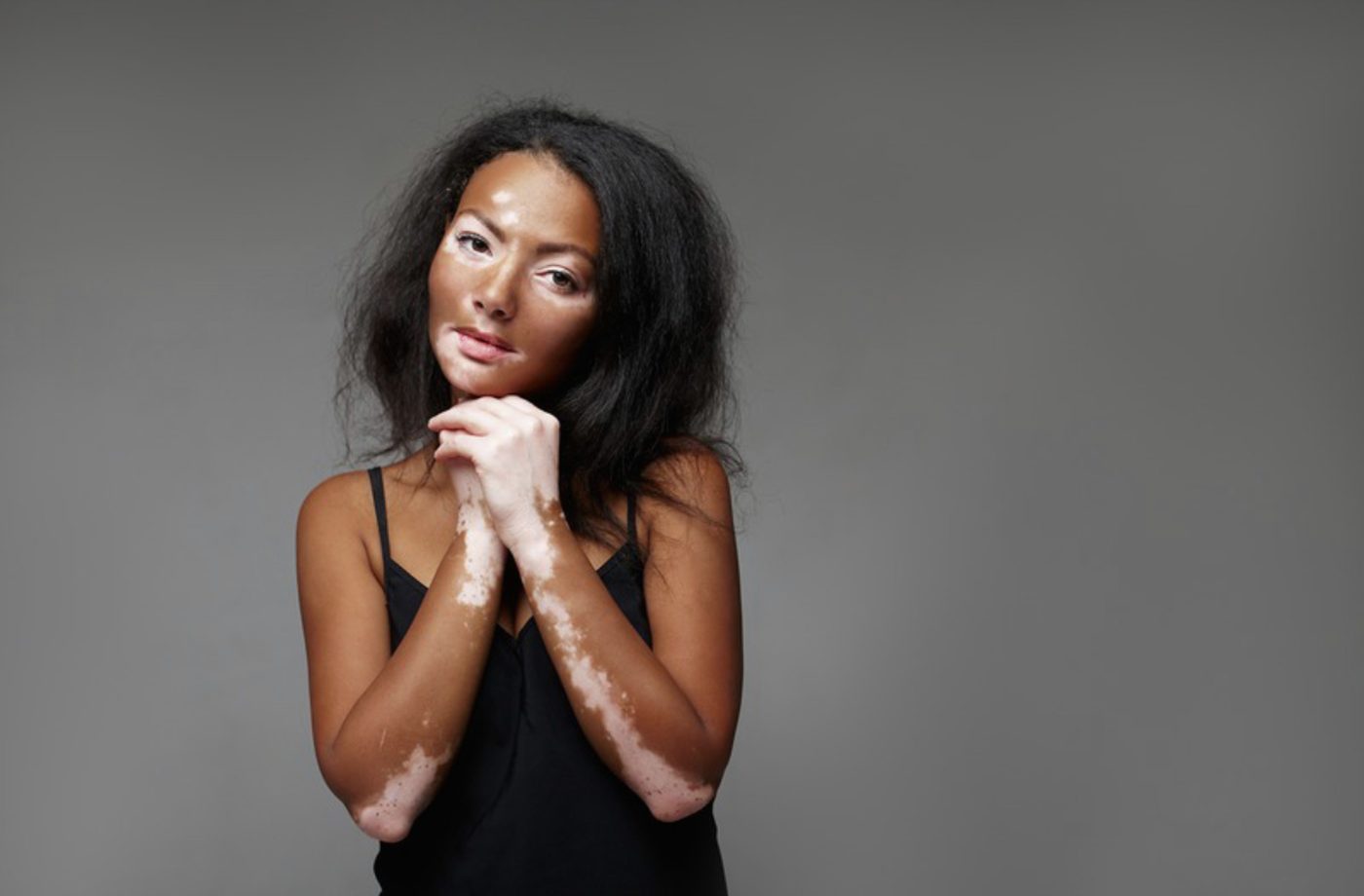
Vitiligo review depends on clinical pattern and previous treatment response. The goal is to prepare a realistic dermatology assessment without promising universal repigmentation.
Key medical markers
Performance, symptoms, urgent risks and treatment tolerance are documented.
The record must show what has already been tried and how the disease responded.
The case is prepared so the physician can answer a clear medical question.
The page is not a generic brochure. Each diagnosis is organized around the clinical details that actually affect specialist review.
This point is checked because it can change suitability, timing, safety or the next document request.
This point is checked because it can change suitability, timing, safety or the next document request.
This point is checked because it can change suitability, timing, safety or the next document request.
This point is checked because it can change suitability, timing, safety or the next document request.
The purpose is to provide a documented, physician-led evaluation route without advertising a single treatment option as a universal solution.
Vitiligo review depends on clinical pattern and previous treatment response. The goal is to prepare a realistic dermatology assessment without promising universal repigmentation.
Melagenina Plus® or other topical contexts must be reviewed according to the patient’s condition.
Cuba Health Assist organizes documents and communication; physicians determine diagnosis, suitability, dosing, follow-up and safety requirements.
Incomplete files lead to avoidable delay and unrealistic expectations. These are the usual starting documents; the physician may request more.
Vitiligo type, start date, progression and affected body areas.
Clear daylight photos of lesions from several angles without filters.
Topical therapies, phototherapy, corticosteroids or other treatments already used.
Thyroid disease, autoimmune history, pregnancy status and medications.
Local dermatologist diagnosis, biopsy if performed and recommendations.
Functional or cosmetic concerns and areas the patient wishes to prioritize.
The process is designed to protect clinical clarity. The patient understands what is being reviewed, what is missing and what the physician can or cannot evaluate.
Reports, imaging, photos and medical history are uploaded through the application flow.
The coordination team checks readability, translations, dates and missing items.
The case is prepared for the relevant physician review according to diagnosis and urgency.
The patient receives a written next-step explanation before committing to travel or treatment.
No. It explains how the file is prepared. Suitability can only be determined after specialist review of the complete current medical record.
Photos and summaries help, but they are not enough for most cases. Written reports, dates, imaging and laboratory results are usually required.
No. Treatment, route, timing and follow-up must be confirmed by licensed physicians after reviewing the file.
Cuba Health Assist coordinates the file, communication, translations where needed, document organization and next-step logistics.
A coordinator will request the missing reports, images or laboratory results before forwarding the case for a final review.
A coordinator will organize the information and guide the next step according to specialist review.